Centralize cross-portfolio dependencies
Complex initiatives span multiple teams, value streams, and portfolios—introducing upstream and downstream dependencies that are often fragmented across tools and reports. Without a unified dependency model, sequencing conflicts, blocked work, and resource misalignment are difficult to detect, increasing delivery risk and variability.
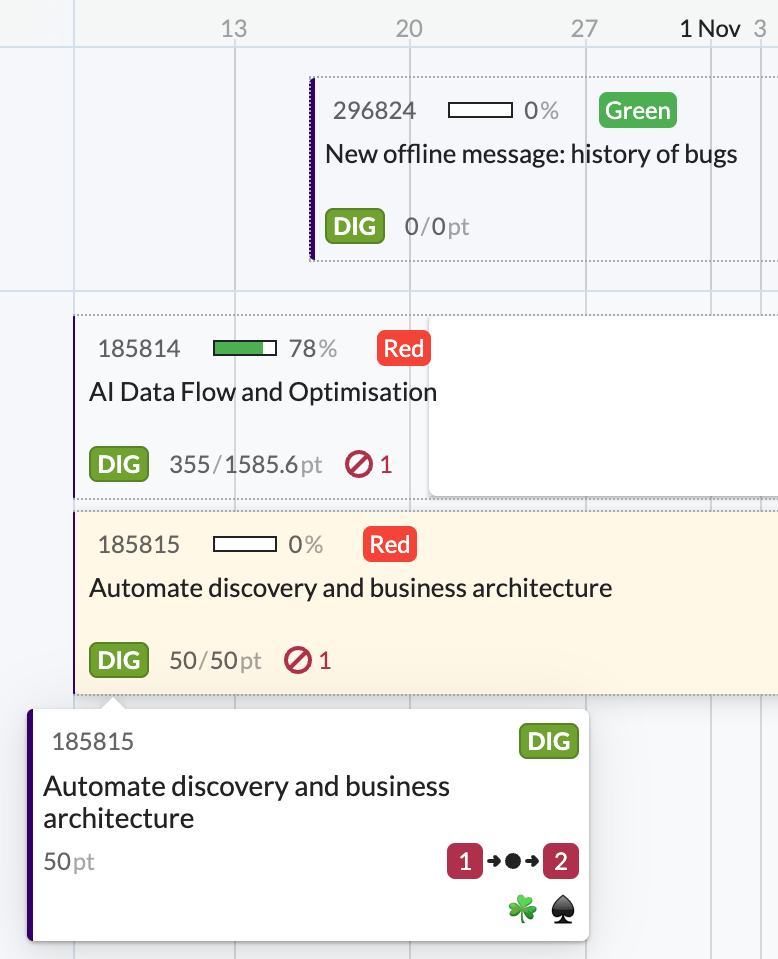
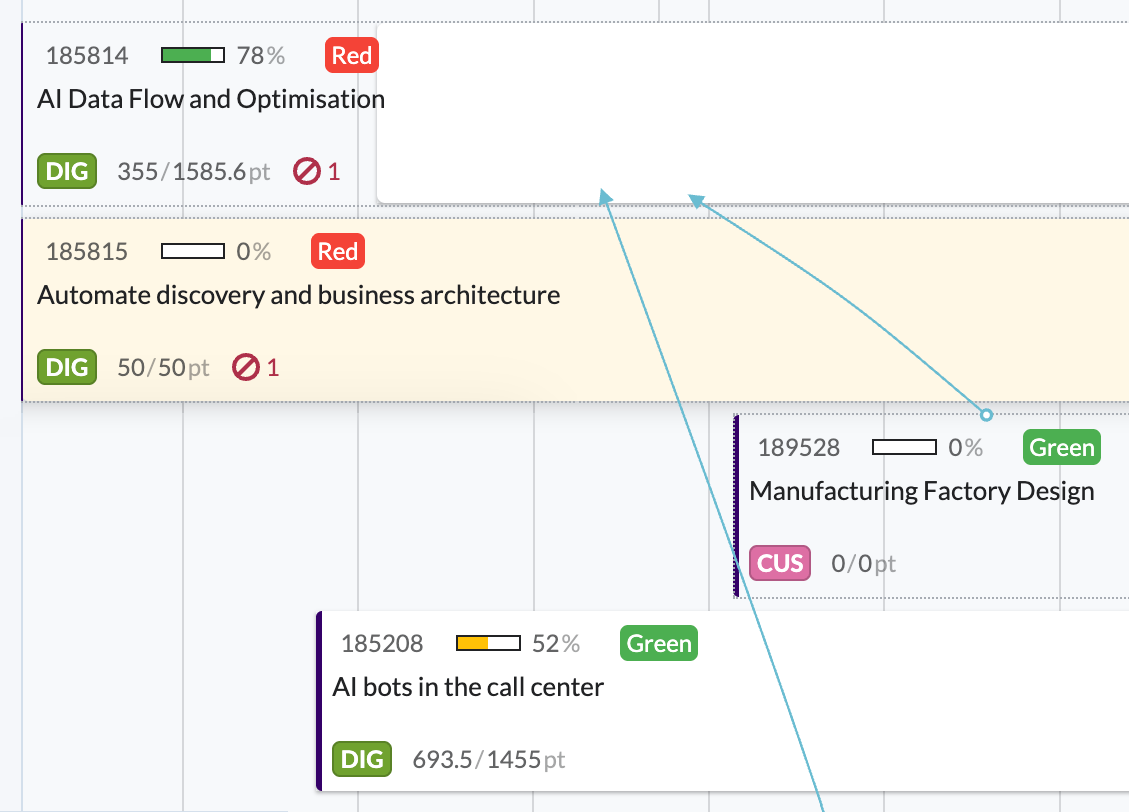
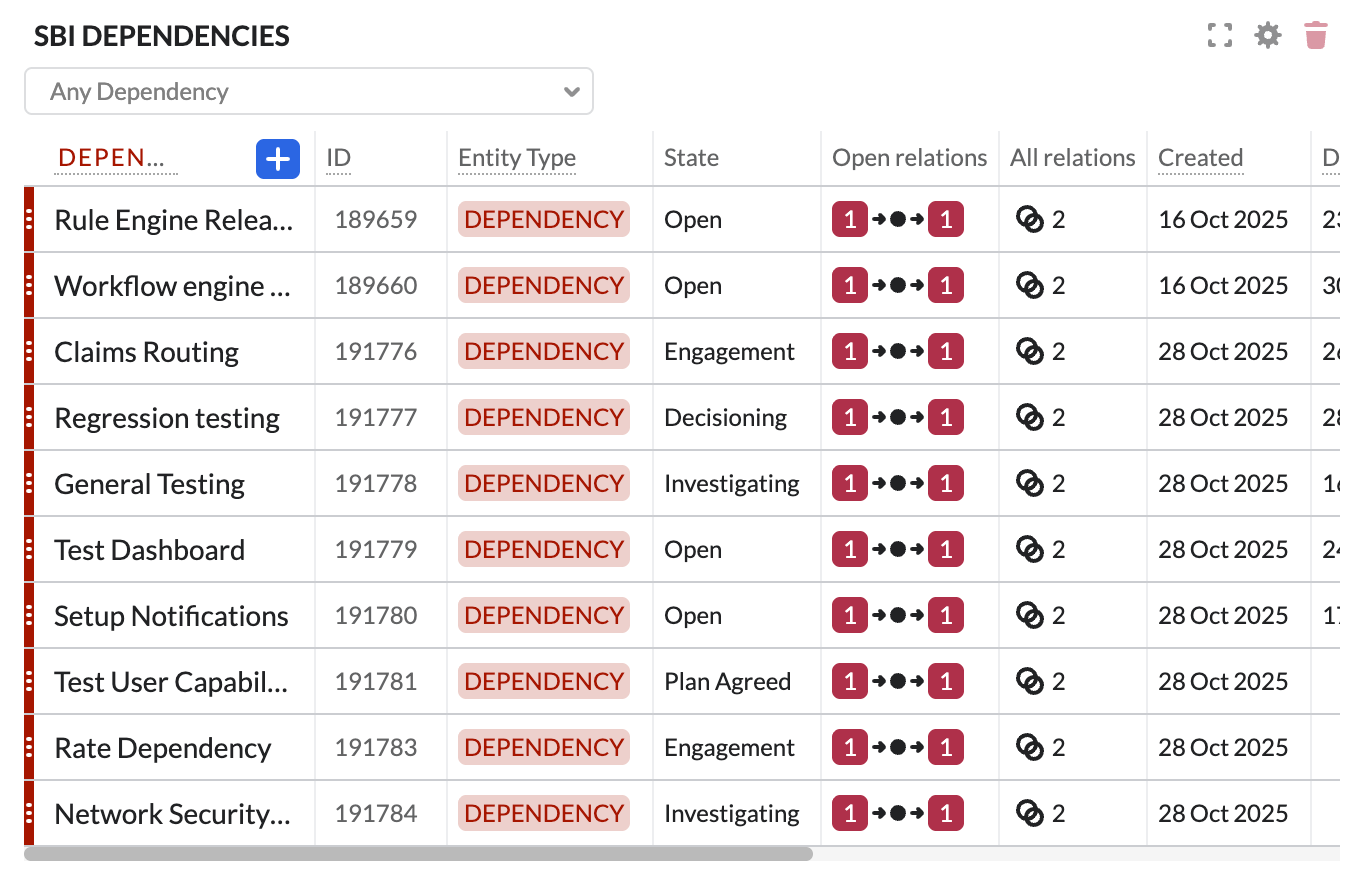
By centralizing dependency mapping and tracking in a single system of record, teams can visualize relationships between work items, monitor dependency states, and coordinate execution across portfolios. This enables early risk identification, improved flow, and more predictable delivery outcomes.
Explore how SPM connects strategy to execution in this eBook designed to help organizations align portfolios, programs, and processes while maintaining agility and driving measurable results.
Critical capabilities
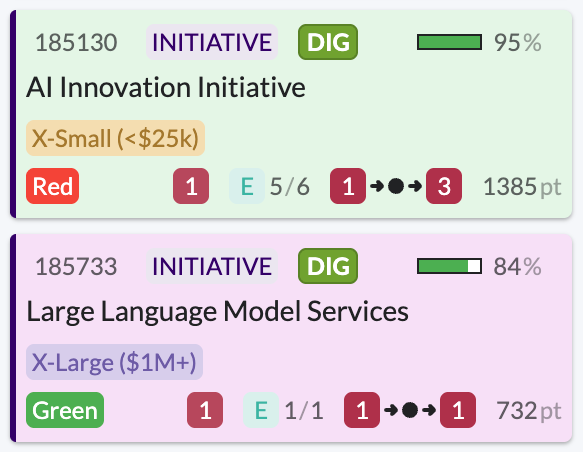
Surface and manage cross-portfolio dependencies with real-time visibility into relationships, risks, and delivery impact.
Critical capabilities
Surface and manage cross-portfolio dependencies with real-time visibility into relationships, risks, and delivery impact.
Dependency management in action
We had to collect a lot of information from different tools and combine it. And it was very difficult. But with Targetprocess, the data is in one place and getting information is almost automatic.
Implemented Apptio Targetprocess to align workstreams to business priorities. This created transparency, helped identify risks and impediments, and gave the team visibility into consolidated workflows.
Answer critical dependency management questions
Teams across the business surface critical questions about dependencies—what is blocking progress, how work is interconnected, and where risks may impact timelines. IBM Targetprocess provides end-to-end visibility into dependencies—so you can proactively manage risk and keep delivery on track.
- Dependency visibility
- Proactive risk management
- Connected portfolio planning
- Execution visibility
Answers questions like:
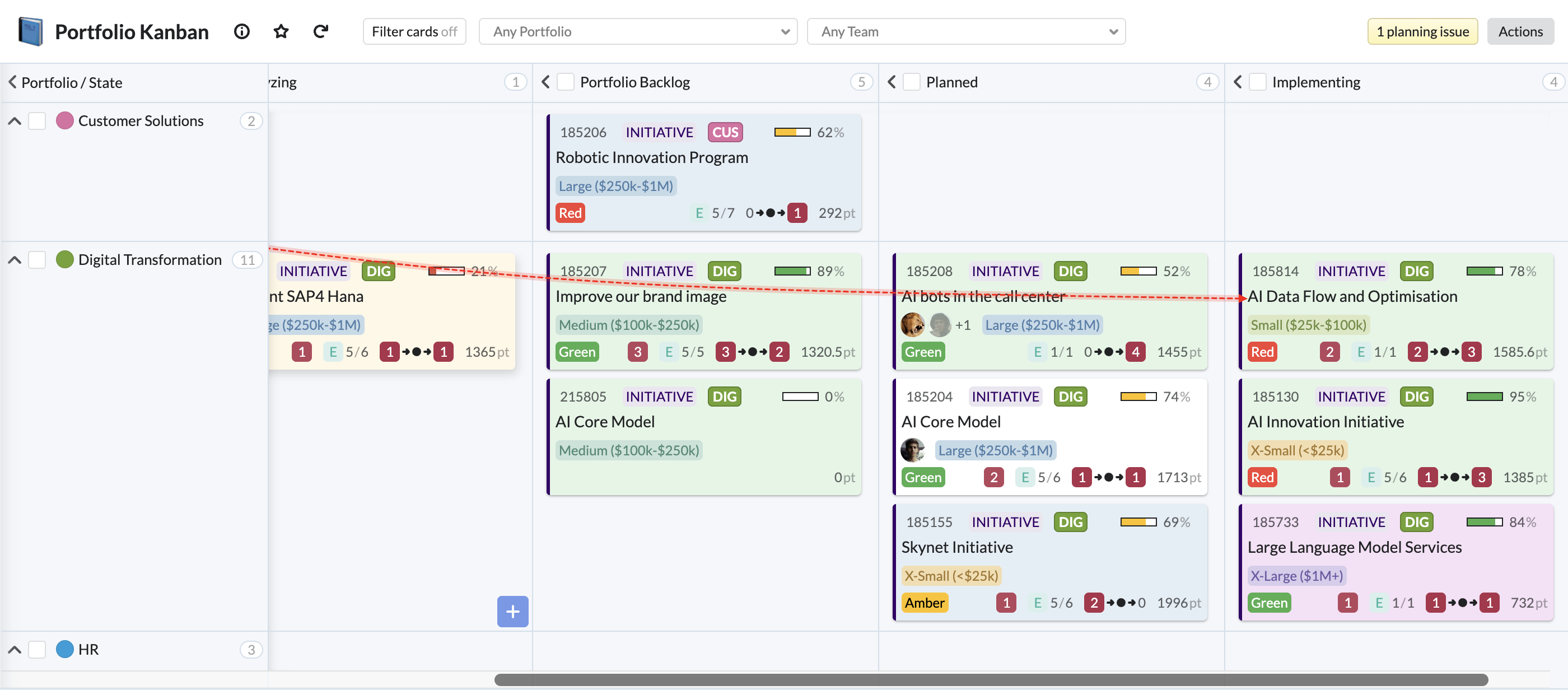
- What dependencies exist across portfolios, programs, and teams?
- Where are dependency-driven risks in the workflow?
- How is work progressing across portfolio stages?
Answers questions like:
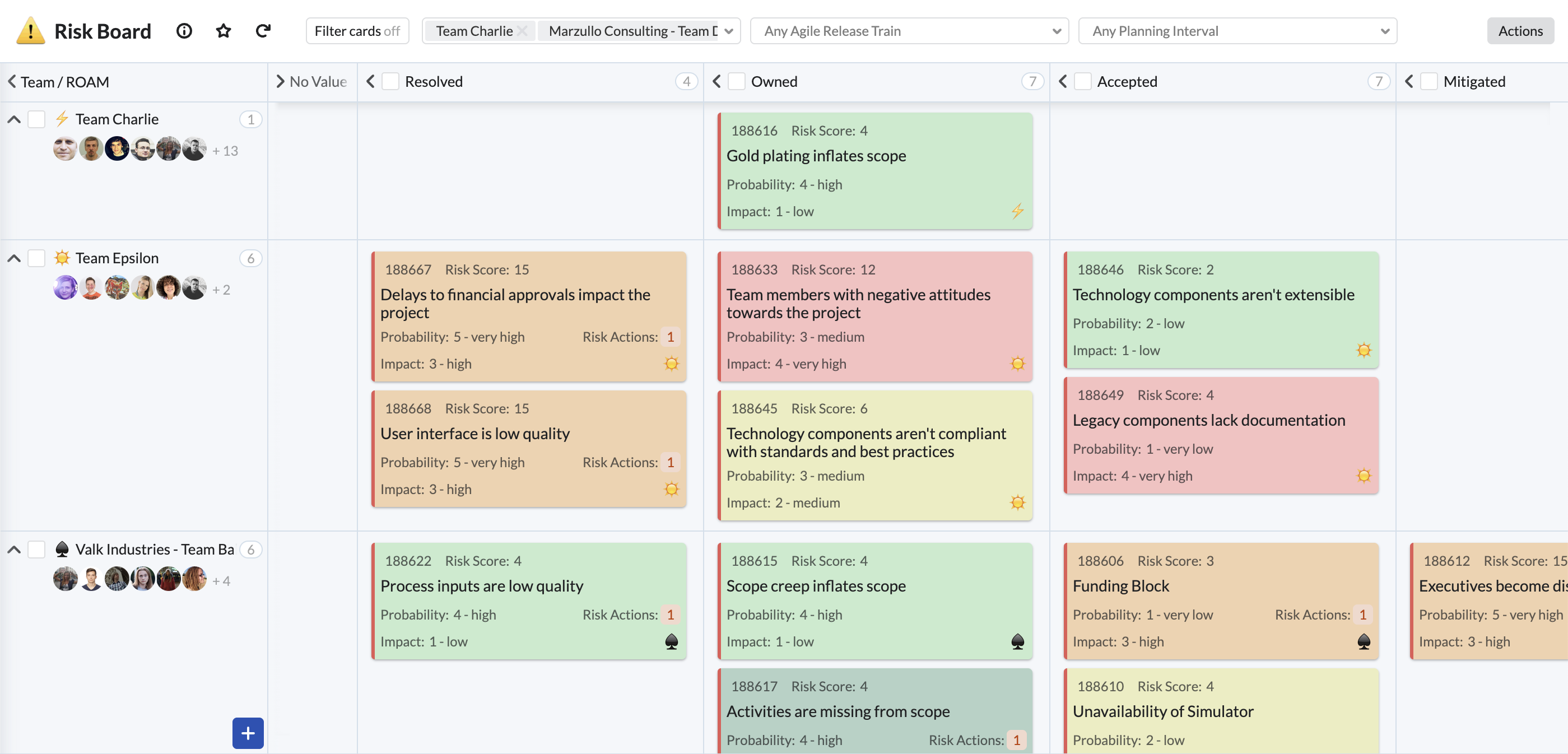
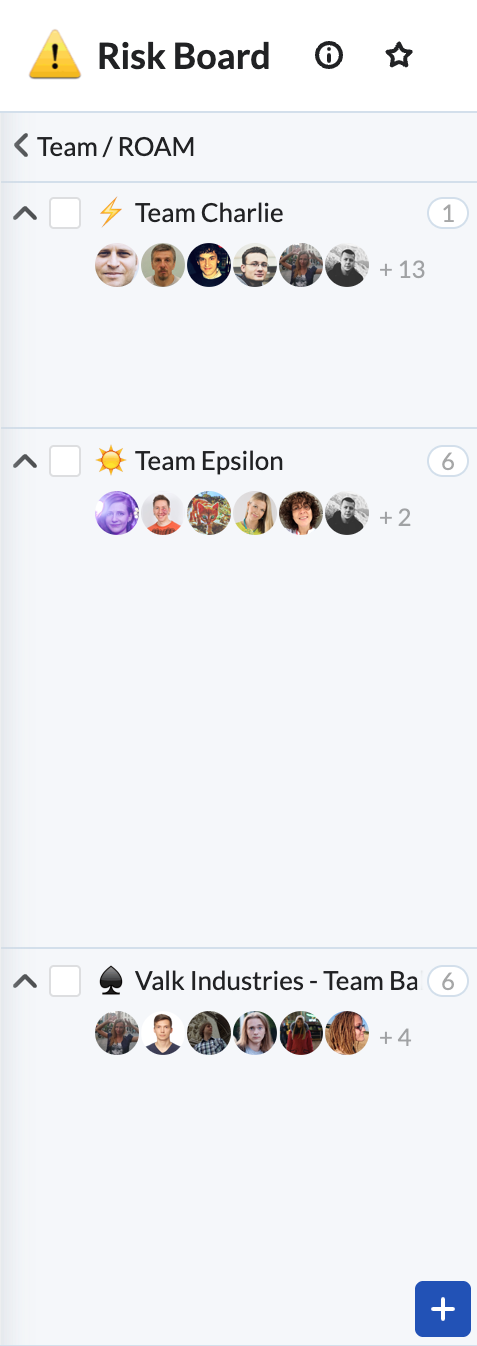
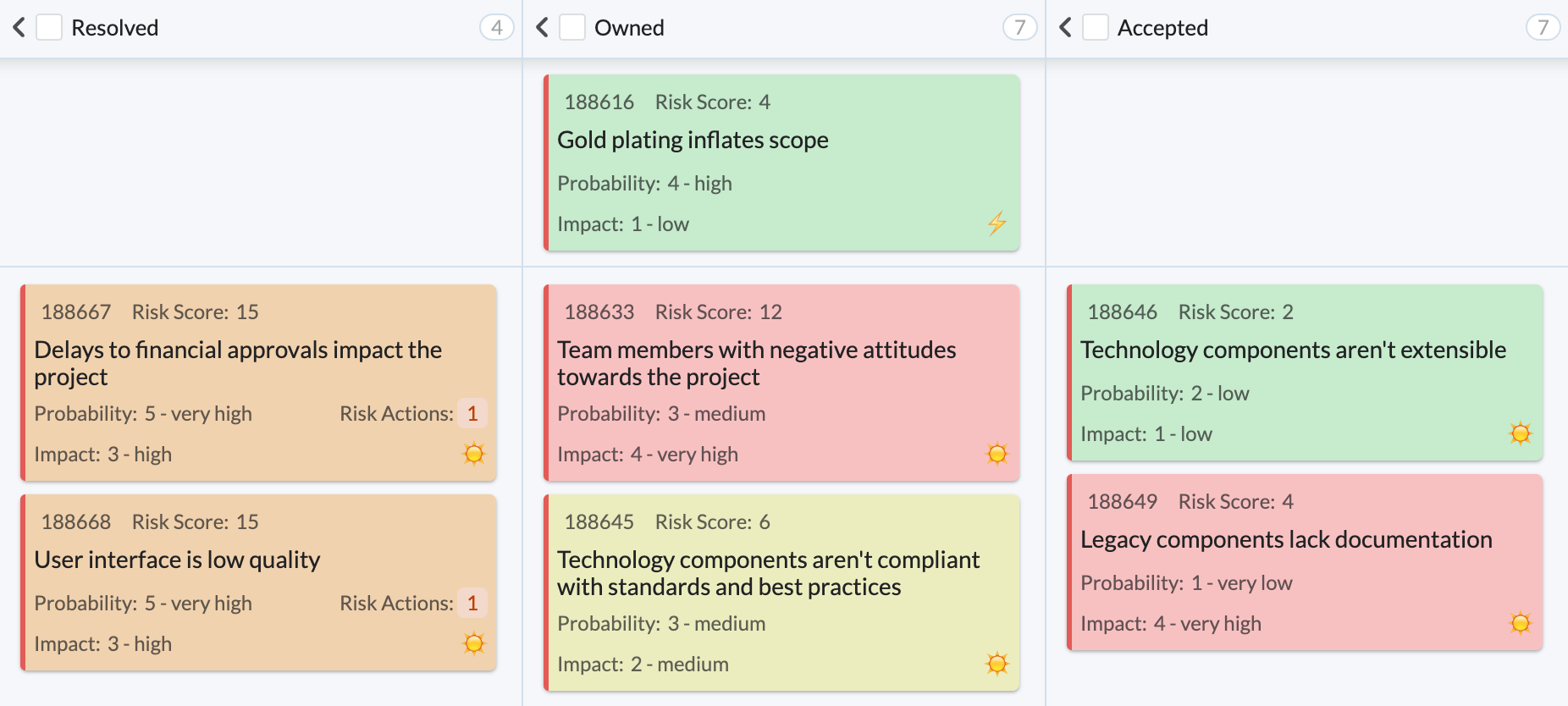
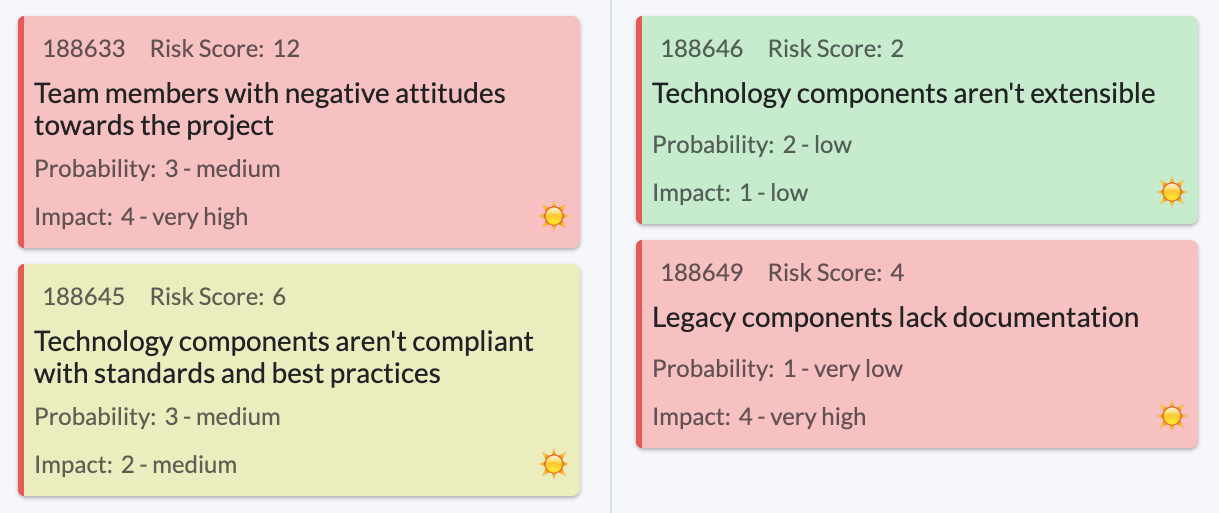
- Which risks have the highest score?
- What is the status of risks across teams?
- Where are risks increasing across portfolios?
- Which risks require action now?
Answers questions like:
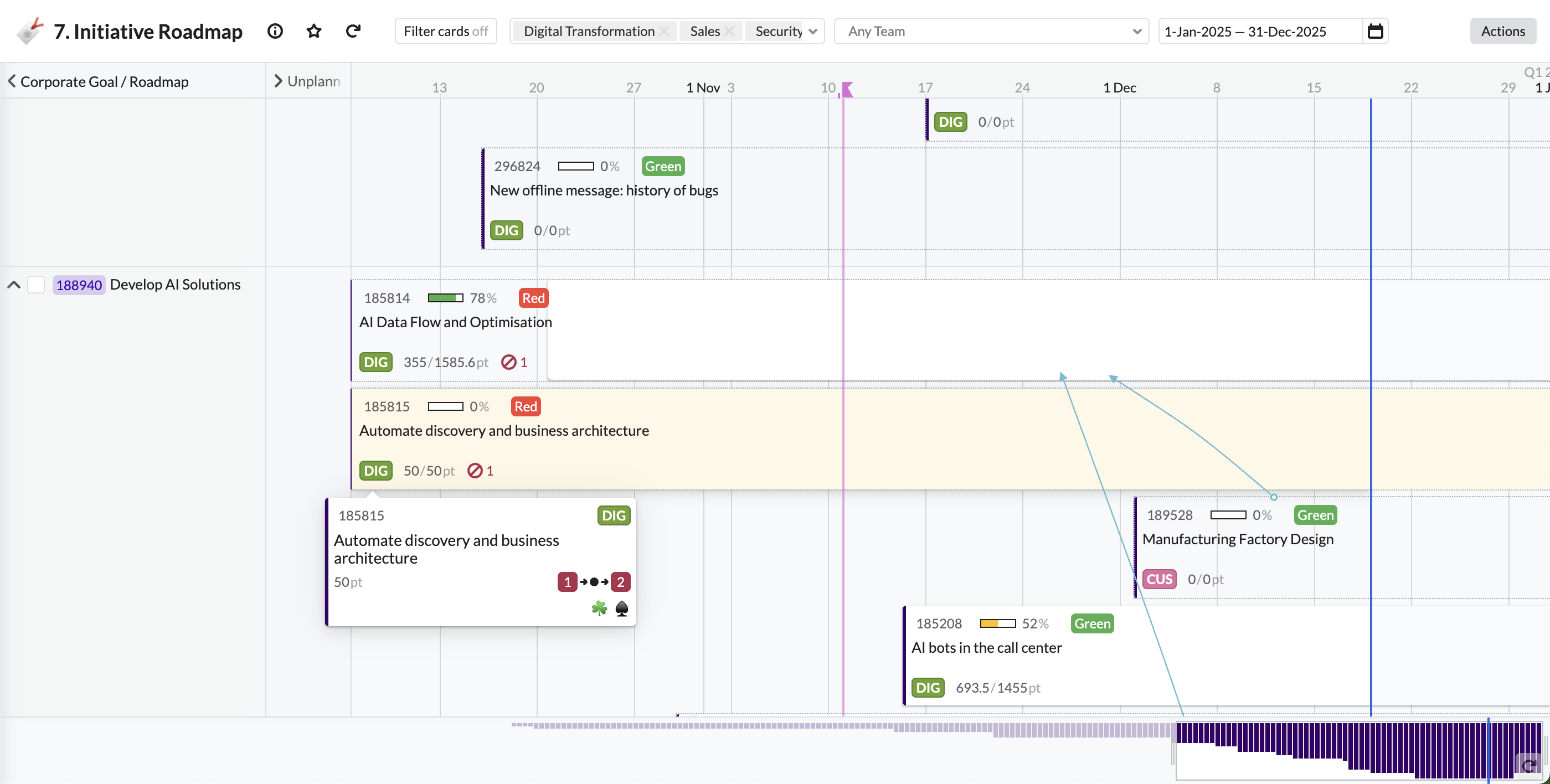
- When do dependent initiatives need to align?
- Where do dependencies create timing conflicts or delays?
- How do dependencies impact delivery timelines?
Answers questions like:
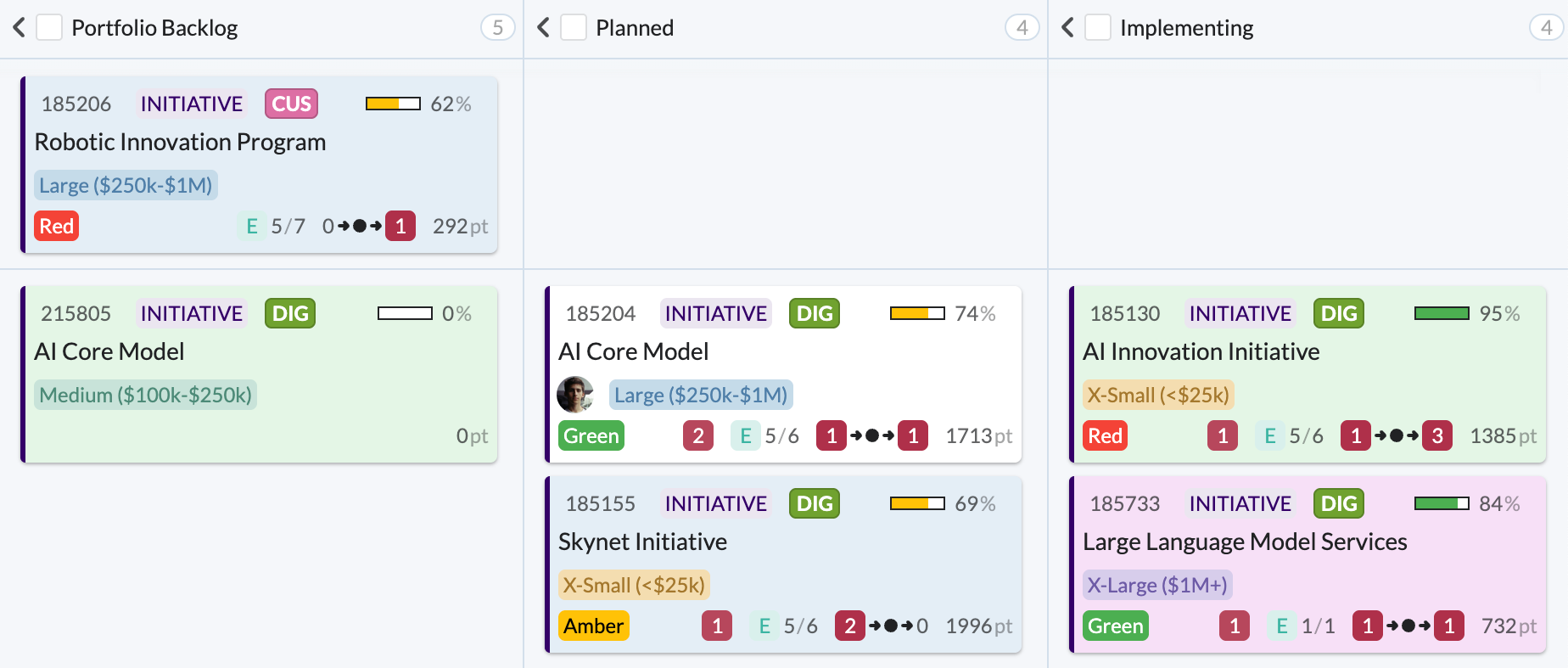
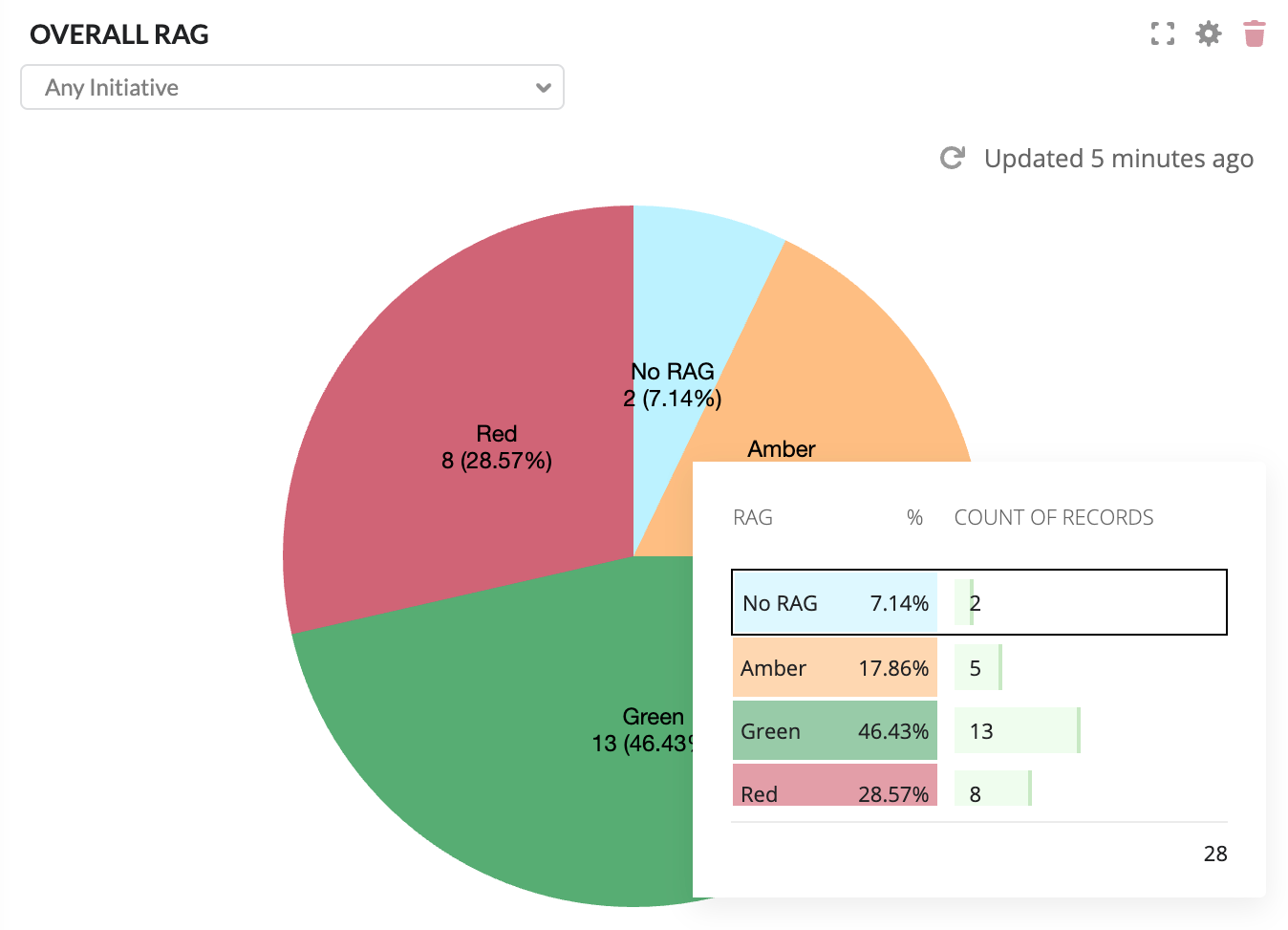
- What is the current health (RAG) of initiatives?
- Which dependencies are open or at risk?
- Where do we need to take action now?
Get the right product-centric data to the right people
Portfolio Manager (EPMO)
Gain visibility into cross-portfolio dependencies and risks—so you can prioritize initiatives with a clear understanding of downstream impact.
Program Manager
Track dependencies across initiatives in real time—so you can proactively manage risks, adjust plans, and keep delivery on schedule.
Release Train Engineer (RTE)
Identify and coordinate cross-team dependencies—so you can reduce bottlenecks and maintain smooth, predictable flow across the ART.
Delivery Lead / Team Lead
See upstream and downstream dependencies clearly—so your team can plan work confidently and avoid delays caused by external blockers.