

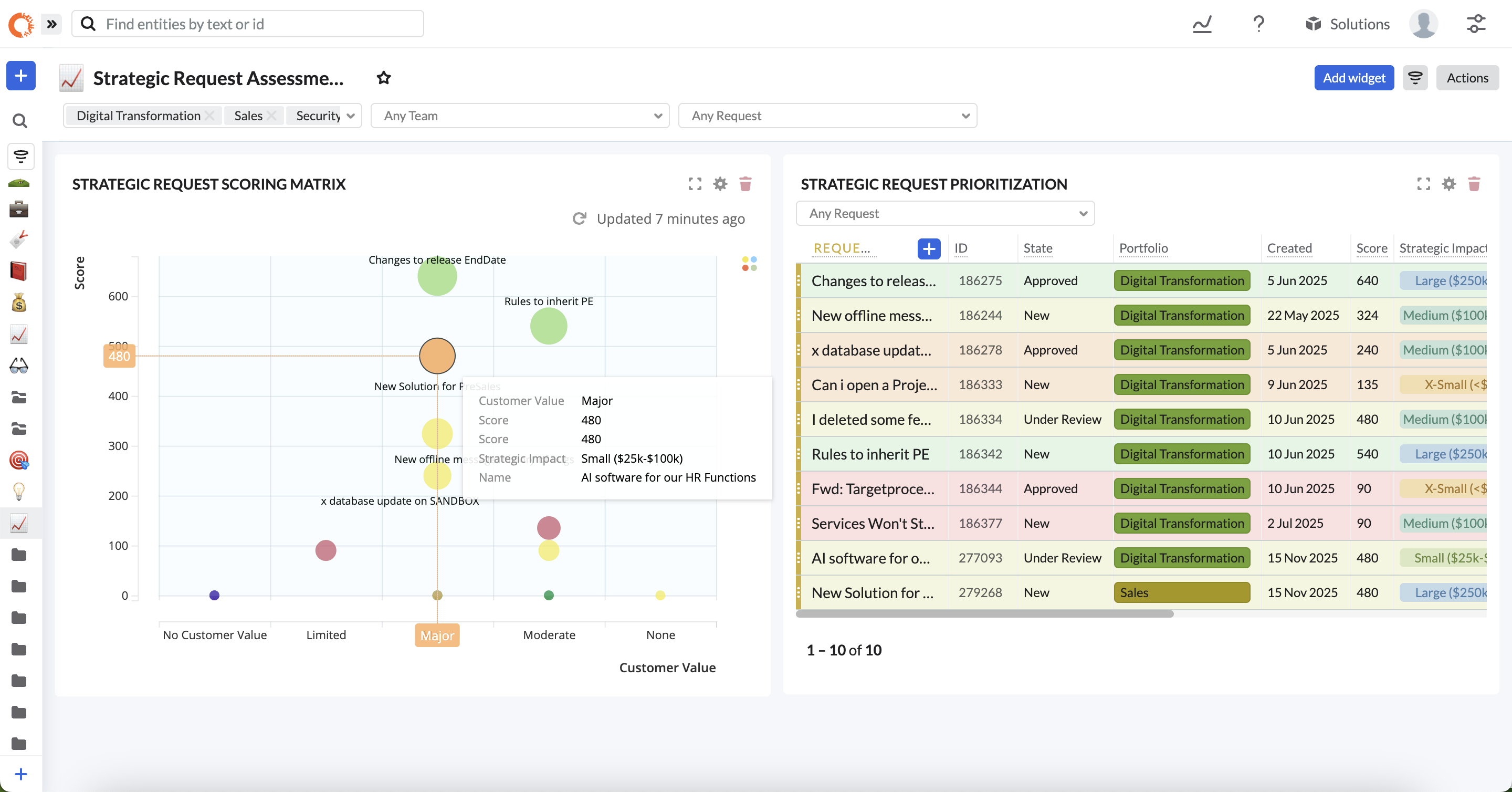


- Strategic requests & assessment
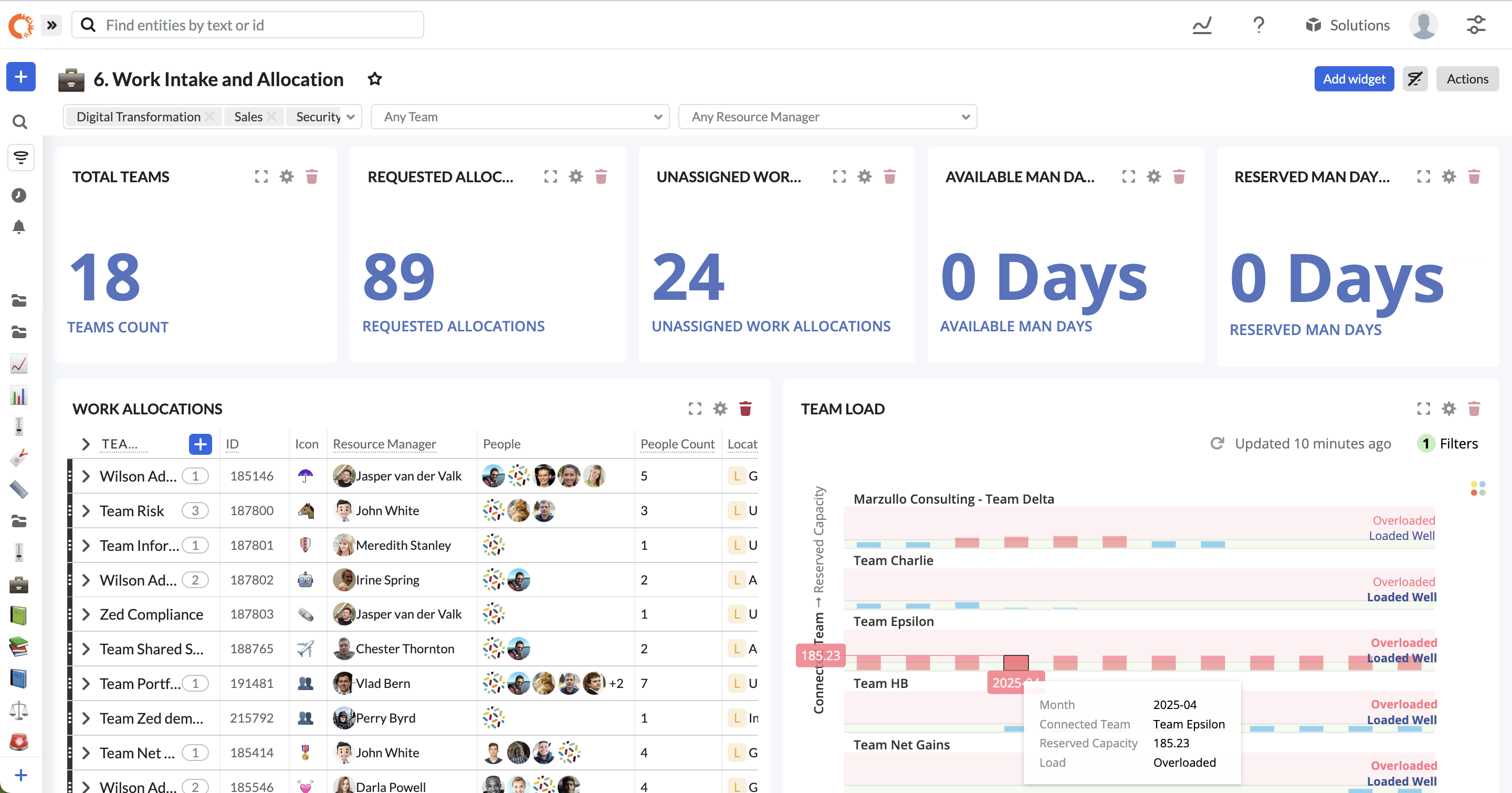
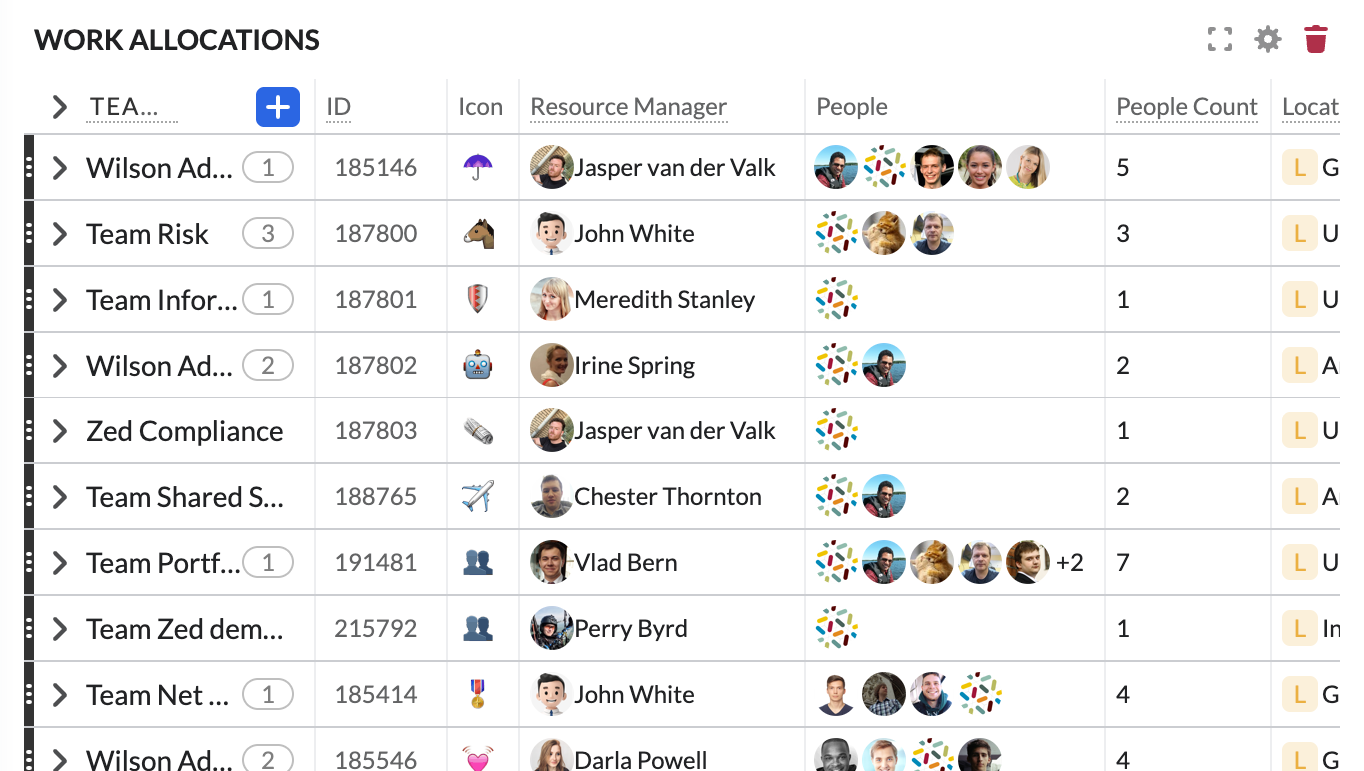
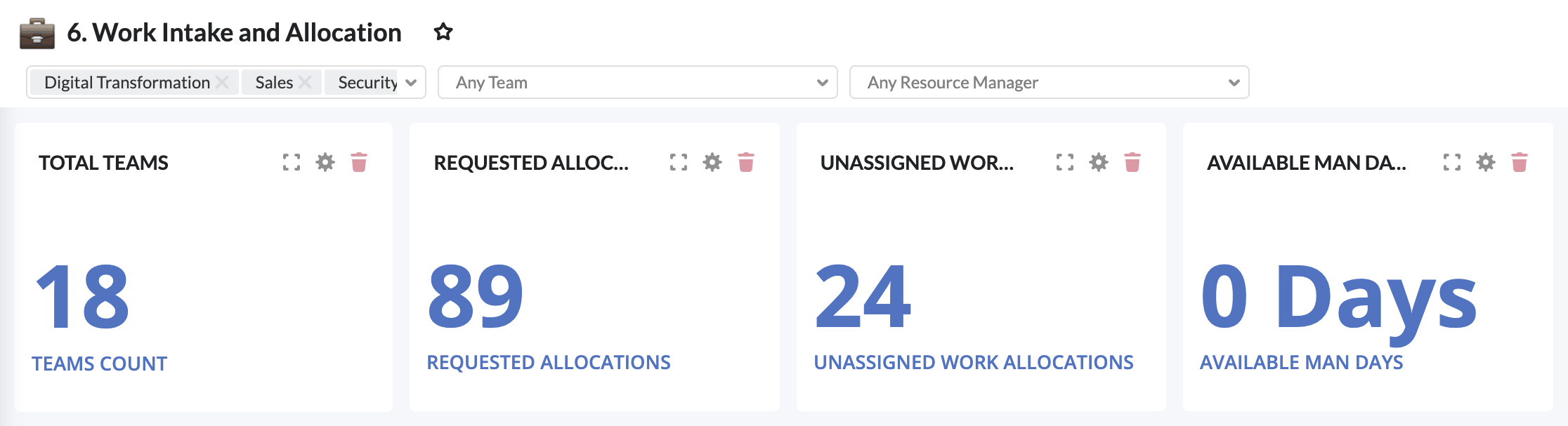
- Work intake and allocation
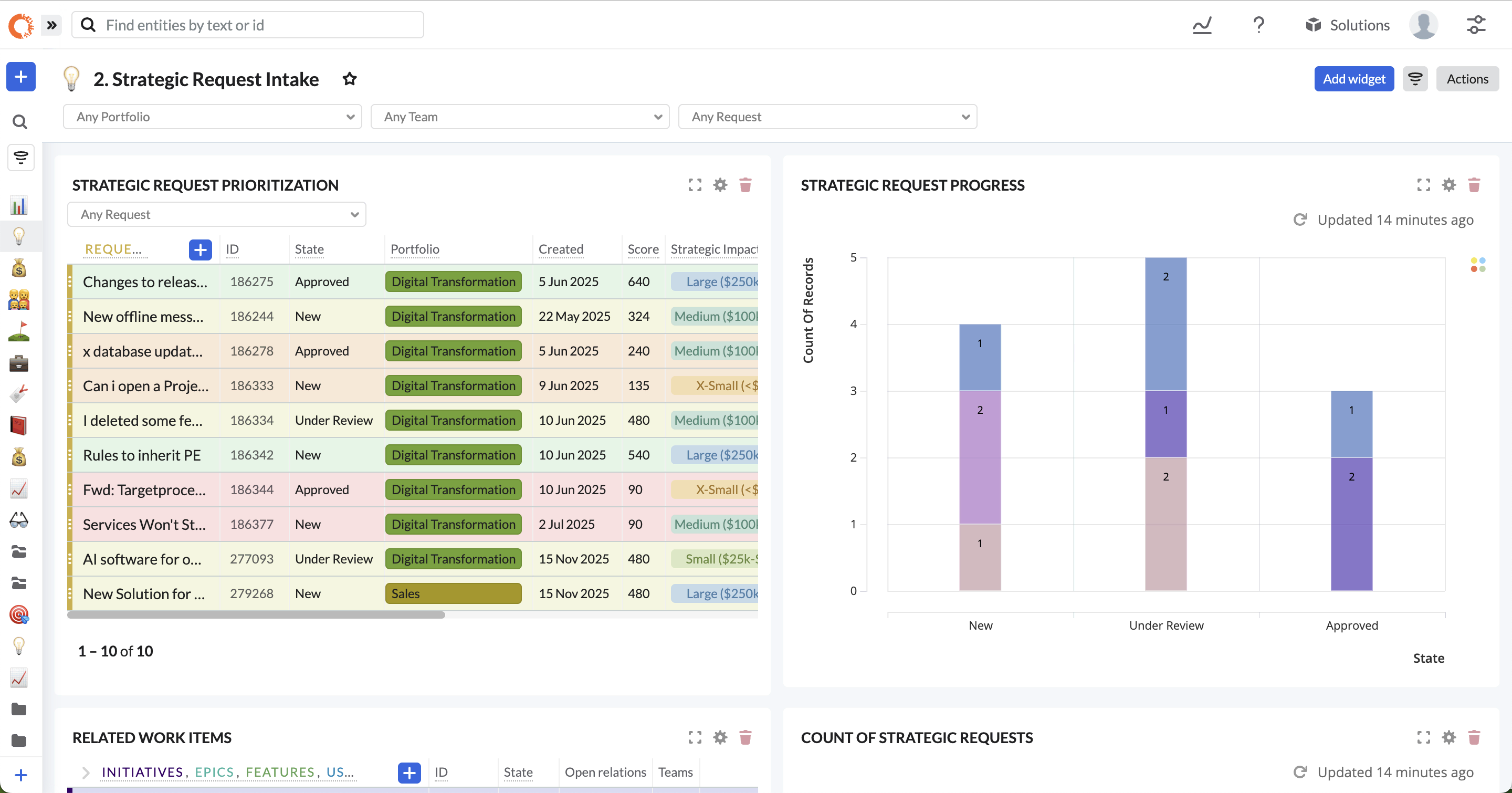
- Strategic request intake
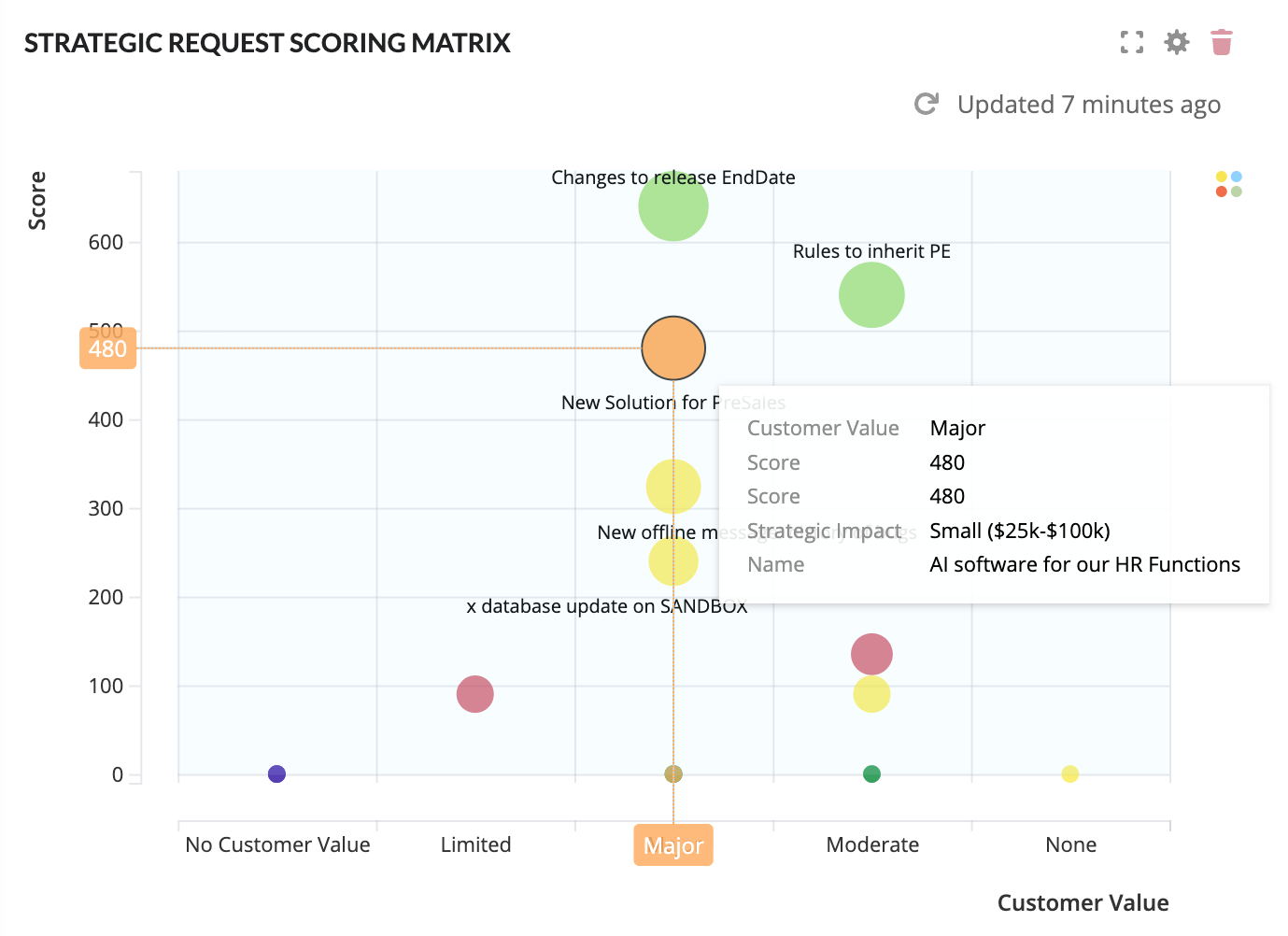
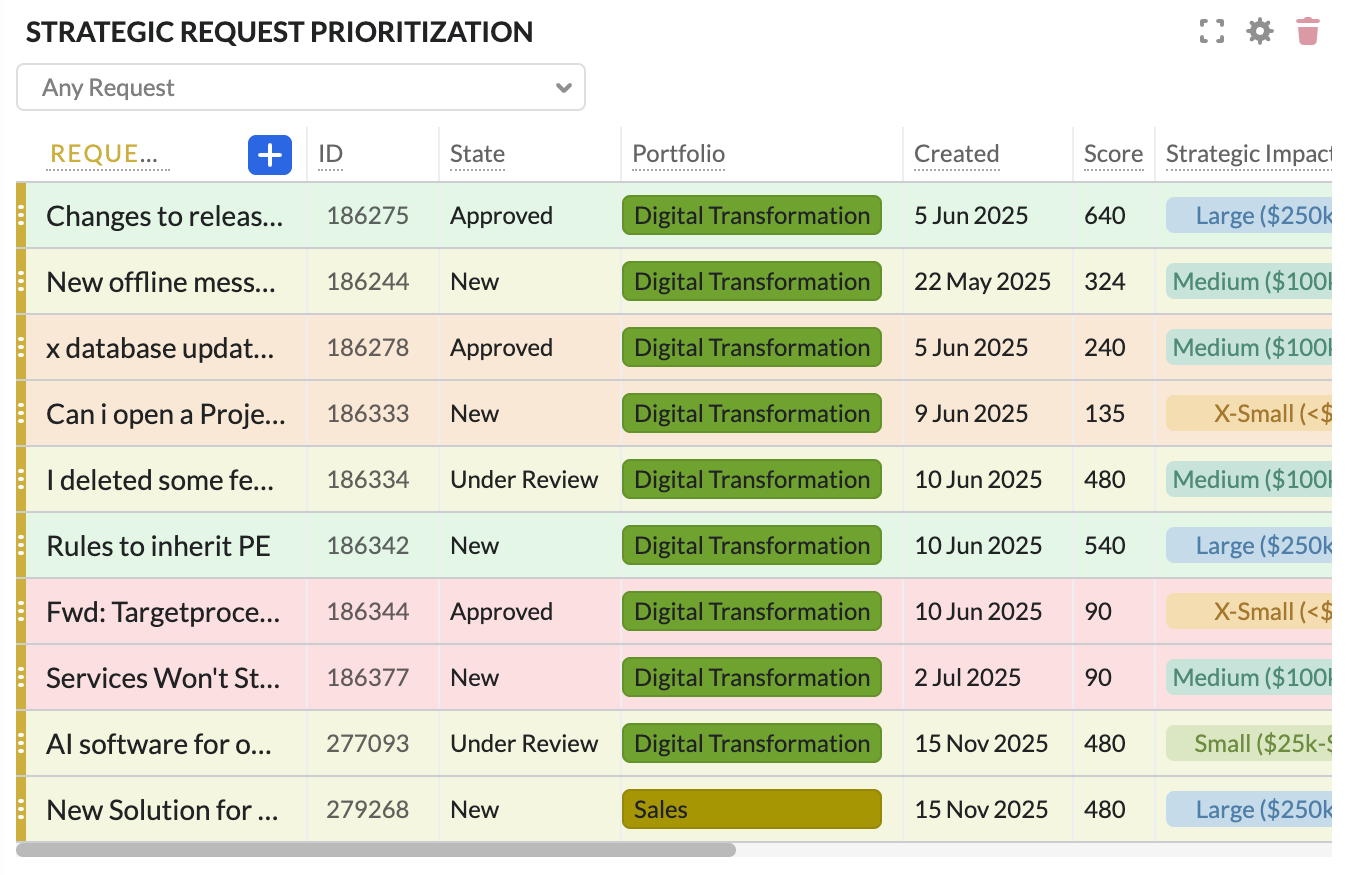
Strategic requests & assessment


Work intake and allocation
Strategic request intake

Best Practice Frameworks
Track, analyze, and optimize your cloud spend.
Financial Intelligence turns islands of data into insights with AI-Powered Apptio and AI Investment Management
Customer Success
Connect
Analyst Report
The Forrester Wave™: IT Financial Management Software, Q2 2026Analyst Report
2025 Gartner® Magic Quadrant™ for Cloud Financial Management ToolsJoin the more than 1,000 Apptians across the globe. Regardless of your specialty or location, we’ve got an opportunity for you.
![ApptioCareers-Employee[1]](data:image/svg+xml;base64,PHN2ZyB4bWxucz0iaHR0cDovL3d3dy53My5vcmcvMjAwMC9zdmciIHZpZXdCb3g9IjAgMCAyMjUgMjc1IiB3aWR0aD0iMjI1IiBoZWlnaHQ9IjI3NSIgZGF0YS11PSJodHRwcyUzQSUyRiUyRnd3dy5hcHB0aW8uY29tJTJGd3AtY29udGVudCUyRnVwbG9hZHMlMkZlbGVtZW50b3IlMkZ0aHVtYnMlMkZBcHB0aW9DYXJlZXJzLUVtcGxveWVlMS1xZzVuenB5MHdoaWJtbzZvdmJqNGM3MHh0aTUzdmo1OHM0endwajh0dHMucG5nIiBkYXRhLXc9IjIyNSIgZGF0YS1oPSIyNzUiIGRhdGEtYmlwPSIiPjwvc3ZnPg== "ApptioCareers-Employee[1]")
Enterprise portfolio leaders need a consistent, transparent way to capture, evaluate, and prioritize project and initiative requests across the business. Without a unified demand intake process, organizations struggle with ad‑hoc requests, limited visibility into the demand pipeline, and decisions driven more by instinct than data.
Standardizing demand intake ensures every request is assessed against strategy, capacity, and impact—so leaders can confidently prioritize high-value work, eliminate duplication, and keep portfolios aligned to business goals.
increase in realized spend on strategic priorities
faster product delivery cycles
improvement in cycle time and velocity among Jira teams
Learn how to break down silos, accelerate delivery, and optimize costs and resources through real-world case studies. Discover proven strategies and measurable outcomes that drive business value.
Enterprise portfolio leaders gain meaningful outcomes with a standardized demand intake process, including faster and more consistent approvals across the organization, clearer prioritization among competing business units, and stronger alignment of investments to enterprise strategy. By eliminating duplicative or low‑value requests, teams reduce waste and ensure resources are focused on the initiatives that deliver the greatest impact.
Enterprise portfolio leaders gain meaningful outcomes with a standardized demand intake process, including faster and more consistent approvals across the organization, clearer prioritization among competing business units, and stronger alignment of investments to enterprise strategy. By eliminating duplicative or low‑value requests, teams reduce waste and ensure resources are focused on the initiatives that deliver the greatest impact.
Digital transformation is happening at a break-neck pace. Driven by bleeding edge innovations like generative AI, it’s also causing disruption across markets, with companies scrambling to keep up and out-maneuver the competition. In this environment, Strategic Portfolio Management (SPM) is becoming essential—not just to manage change, but to ensure that technology investments and workforce efforts stay connected to evolving business priorities.
Organizations face a wide range of questions from stakeholders regarding incoming demand, including prioritization, strategic alignment, and delivery capacity. IBM Targetprocess provides the necessary structure and insight—so these questions can be answered with clarity.
Gain a clear, prioritized view of all incoming demand—so you can align decisions to strategy and focus on highest-value initiatives.
Get visibility into request status and outcomes—so you know how your initiatives are prioritized and progressing.
Understand the financial impact of demand—so you can evaluate tradeoffs and ensure funding aligns to business priorities.
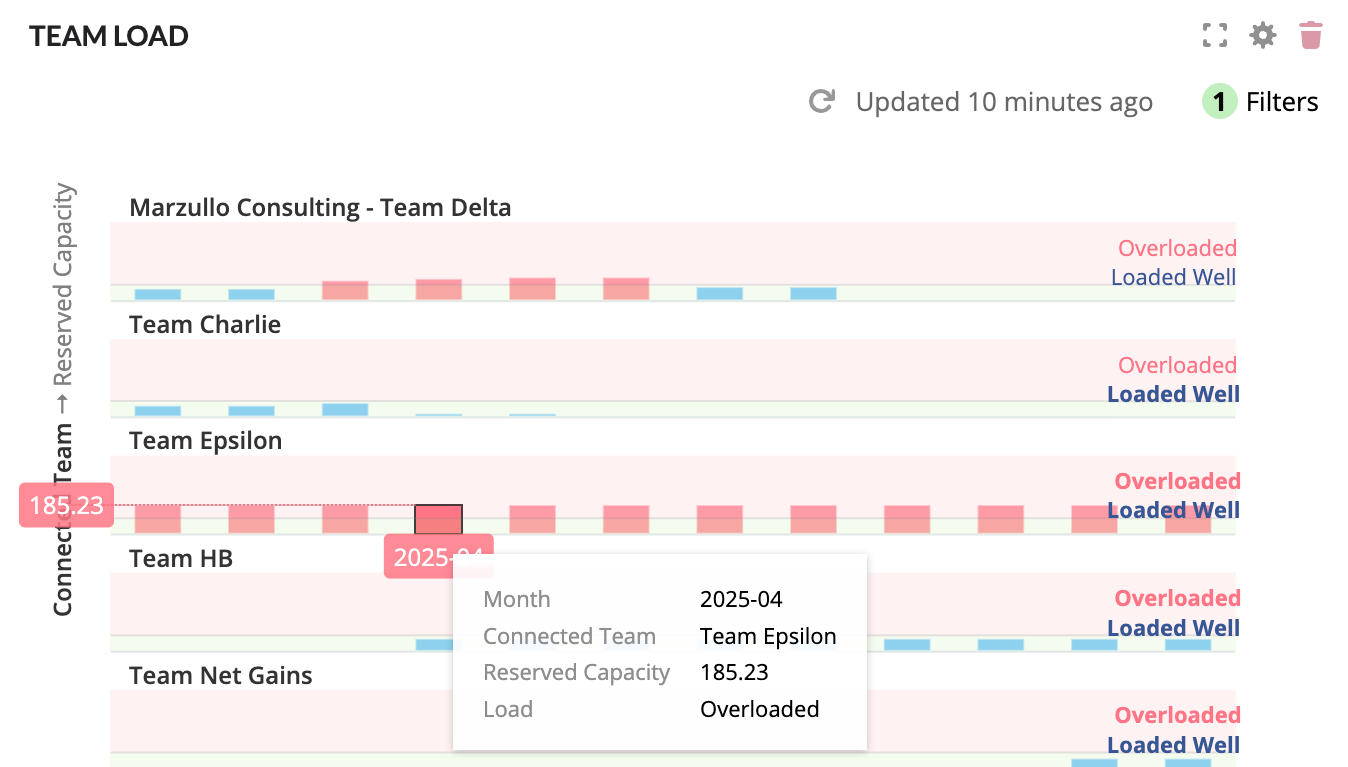
See capacity and demand in one place—so you can allocate resources effectively and avoid overcommitment.